
The power comes back, but the basement floor is already wet. Even if the sump starts running again, the water that reached the room has a separate cleanup story. The first hour is about safety and useful information, not reaching into a flooded pit.
What matters most
- Stay away from a wet pit and electrical equipment.
- A restarted pump removes new accumulation, not moisture already held in walls and floors.
- Keep the pump service findings with the cleanup records.
Stay clear of the wet electrical area
Do not enter standing water to reset a pump or reconnect a lead. Water around electrical equipment needs the relevant professional response. Keep occupants and pets out of the affected space, and describe the situation from a dry location.
A plumber or pump specialist should investigate the system. Tell them whether the event followed a power cut, whether the pump had been cycling unusually and whether there were earlier drainage concerns. Those observations help without requiring you to dismantle anything.
Record the rooms, not just the pit
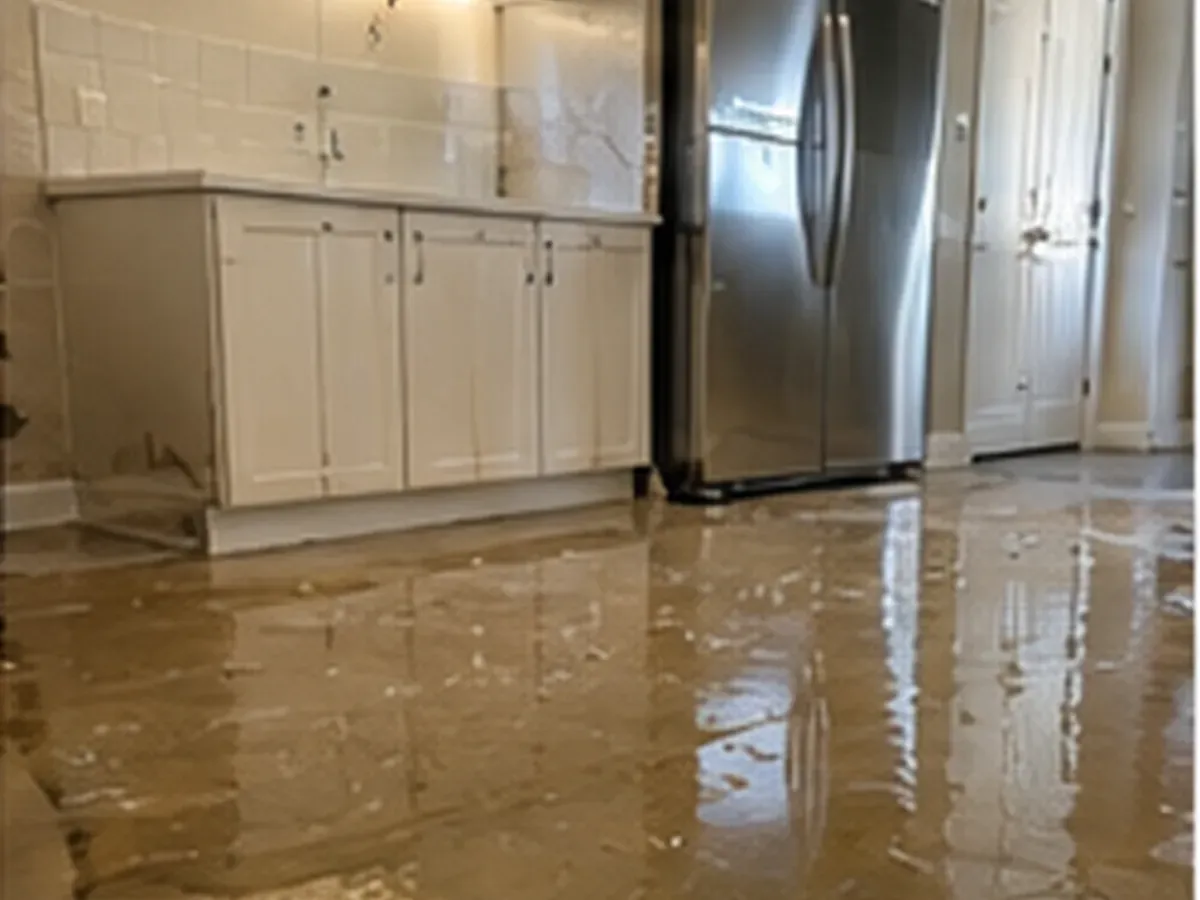
Note where water first appeared and which floor finishes it reached. A storage closet, wall base or adjacent finished room may have been affected even if the deepest water stayed close to the sump. Photograph only where it is safe.
Avoid moving wet boxes into clean rooms without considering what the water contacted. Contents handling may need to be coordinated with the cleanup. Keep the original room context in the record so that photographs remain understandable later.
Pump problem, drainage problem or wet materials?
| Condition or decision | What it means | What to check next |
|---|---|---|
| Pump stopped during a power outage | The source of the interruption may be known, but the system still needs checking. | Report the timing and leave electrical or pit work to the appropriate trade. |
| Pump runs but water keeps appearing | The discharge, capacity or another entry route may need investigation. | Have the system and exterior conditions assessed together. |
| Pit level drops but the room stays damp | Floor layers and wall bases can remain wet. | Arrange extraction and material checks beyond the pump area. |
Do not confuse restart with recovery
A working pump can control new accumulation. It cannot tell you whether the pad under the carpet or the bottom of a framed wall is dry. The remaining water may need extraction, material access and monitored drying.
Ask for a scope that connects those tasks to actual findings. If water is still entering, the plan should acknowledge that the loss is changing. Equipment placement may need review after the source is stable.
Start with sump pump failure cleanup to separate the pump repair from the indoor loss. Then review flooded basement cleanup for the walls, floors and stored items that were exposed.
Save the source report with the cleanup file
The pump repair record helps explain why the system failed and what was corrected. Keep it with photographs, the mitigation scope and the drying documentation. Ask about any recommended maintenance or backup review separately.
Sump-related coverage can depend on policy terms or endorsements. Confirm that question with the insurer rather than assuming a storm date resolves it. The immediate practical goal is a safe source repair and a clear plan for the wet building materials.
After the water level drops, change the focus to materials
The first visible improvement is often the slab. Water drains from an open surface while remaining beneath a floating floor, in carpet pad or at a partition base. Mark the original spread before it becomes harder to see. A room list and safe photographs help the assessor connect the new dry-looking floor to the materials that were exposed earlier.
A sump repair report should state what failed and what was corrected. A power problem, mechanical fault and blocked discharge are different findings. Do not substitute a new pump receipt for that explanation. The cleanup contractor needs to know whether new water is controlled before treating the drying footprint as stable.
When planning prevention, discuss testing and any suitable backup arrangement with the pump specialist. Keep those recommendations separate from completed work. Indoor drying does not install a backup or correct every outside drainage route. The handover should identify what has actually changed, what remains to be arranged and which areas are ready for ordinary use.
Mistakes to avoid
- Reaching into a flooded pit to reset a switch.
- Assuming a running pump means the carpet pad has dried.
- Moving wet storage boxes into unaffected rooms without a handling plan.
From the first sign to the repair
- 1Keep people away from the wet pit.
- 2Describe power conditions to the pump specialist.
- 3Map affected rooms beyond the utility area.
- 4Follow extraction with a retained-material drying plan.
Questions homeowners ask
What if the pump seems normal when help arrives?+
Explain the earlier conditions rather than assuming the event no longer needs investigation. The outage, water level and rooms affected remain relevant. A system that is running now may still need its failure reviewed by the appropriate trade. Meanwhile, the indoor assessment should follow the original water spread and check materials that can retain moisture after visible water recedes.
Should I replace belongings before drying is complete?+
Coordinate that decision with the work area and contents plan. New boxes or furniture can obstruct equipment, cover areas still being checked or become exposed to remaining moisture. Ask which rooms are ready for ordinary use and which remain restricted. Keep affected belongings documented and discuss cleaning or disposal separately rather than treating a running pump as the end of all recovery work.
Cleanup services for this type of damage
Sump Pump Failure & Flood Cleanup
Deal with the water inside while the pump problem is put right.
Discuss this service ↓
Flooded Basement Cleanup
Water removal and structural drying for finished and unfinished lower levels.
Discuss this service ↓Need help with water damage in Buford?
Call with the source, the rooms affected and whether water is still entering. We can discuss the cleanup, drying and repair work needed.
Call (678) 329-9101