
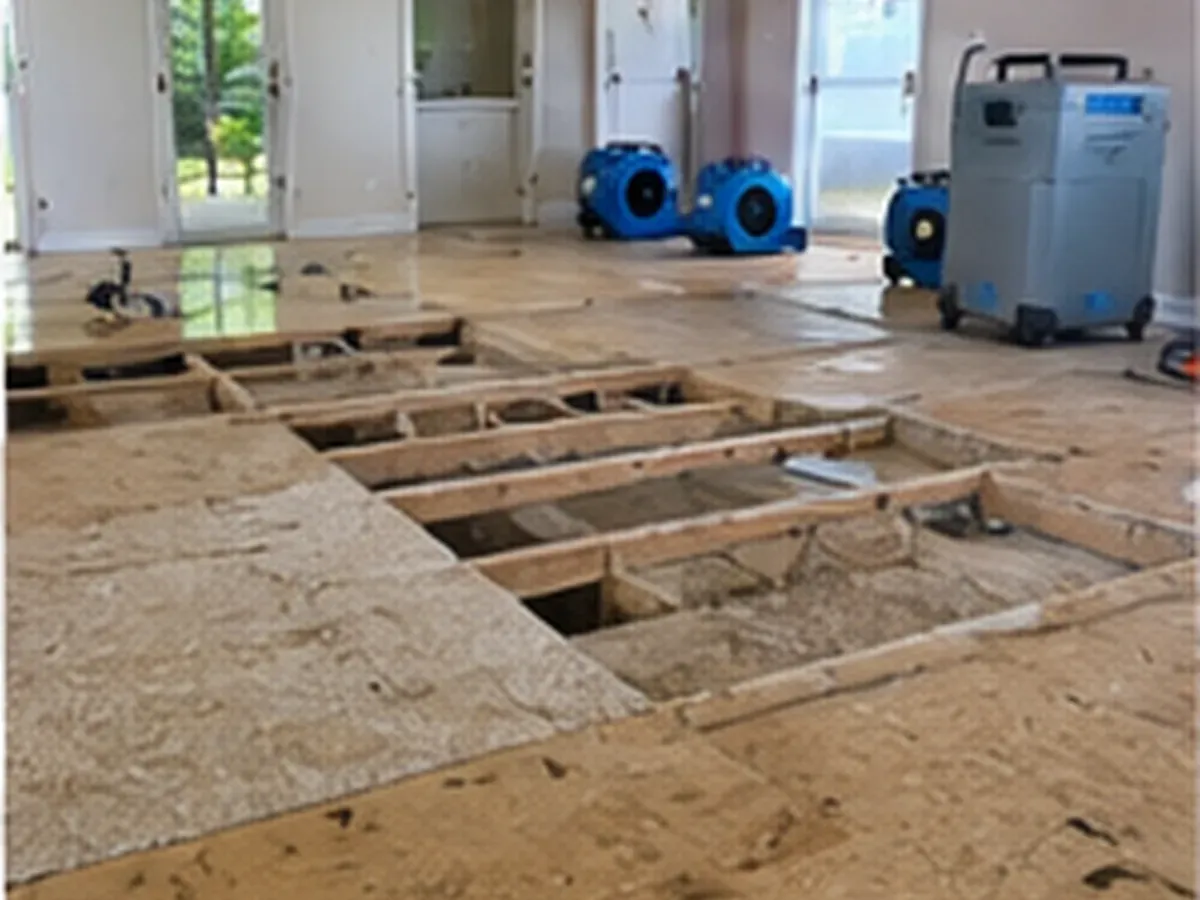
A room can feel damp without a fresh puddle underneath it. For a Flowery Branch home with a crawlspace, a moisture concern deserves more than a quick look for standing water. The air, ground covering, plumbing and floor system may each contribute to what you notice upstairs.
The lake-area setting is useful context for the conversation, but it does not diagnose a particular house. The assessment still needs to establish what is happening at the property. A slow leak and persistent humid conditions require different source corrections even if both leave damp wood or an odor in a closet.
Water Damage Services in Flowery Branch, GA
From the first extraction pass to the final repairs, the work depends on the source, the affected materials and what can be saved. Select a service below to jump to the phone section and discuss the work your property needs.
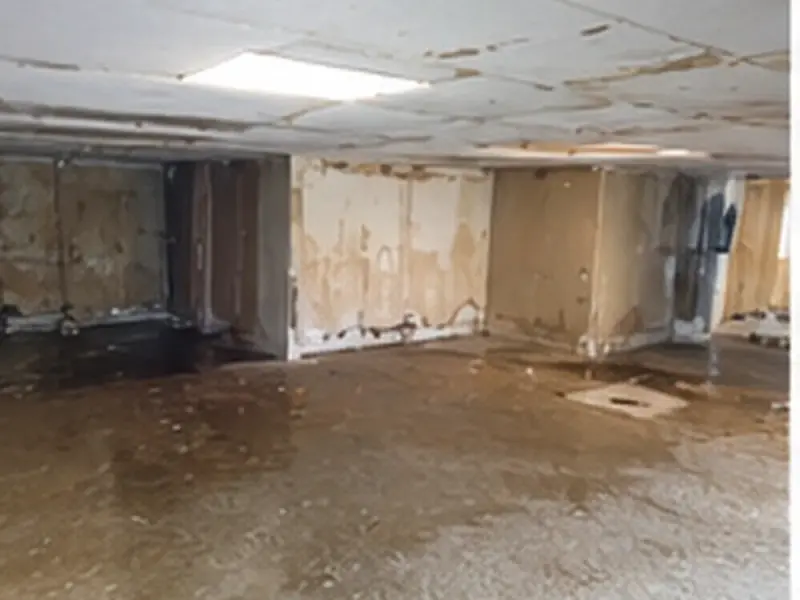
Commercial Water Damage Restoration
Planning cleanup around tenants, employees and the next business day.
Discuss this service ↓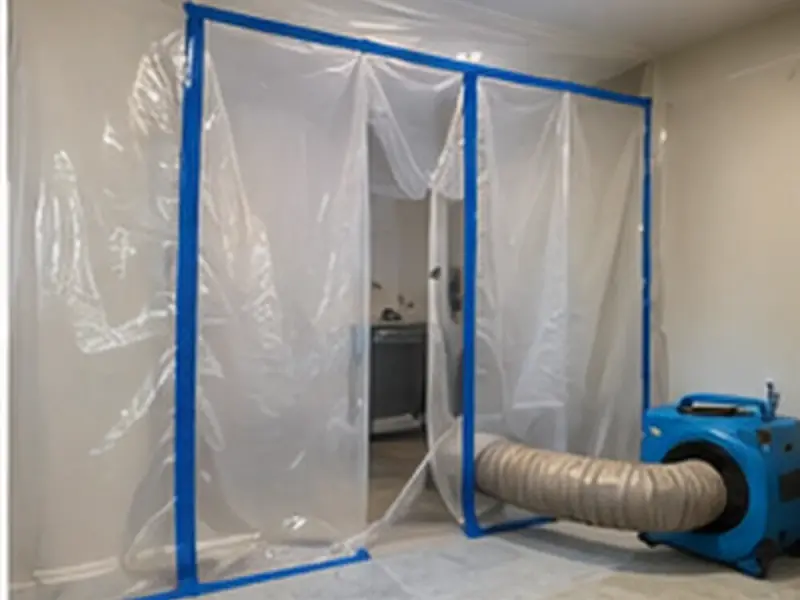
Mold Removal
Containment, physical removal and a plan for the moisture behind the growth.
Discuss this service ↓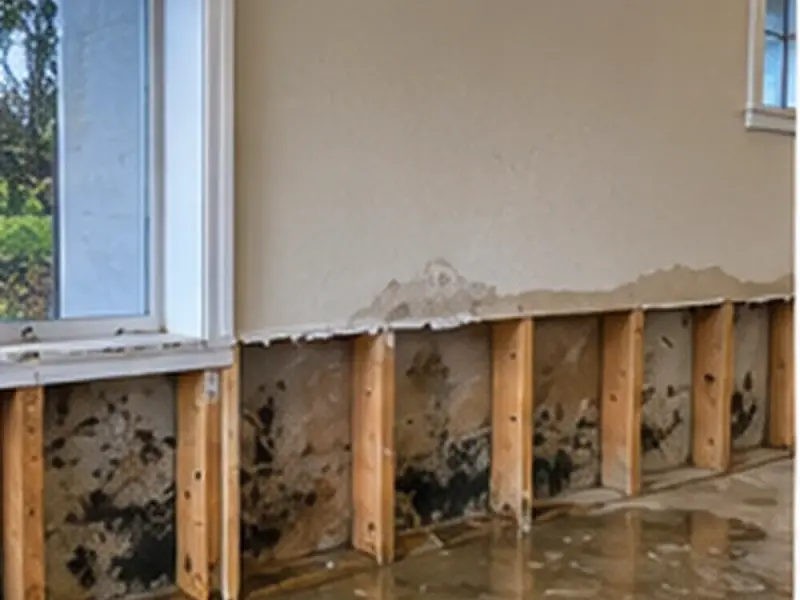
Frozen & Burst Pipe Cleanup
Find every wet layer after a broken supply line is repaired.
Discuss this service ↓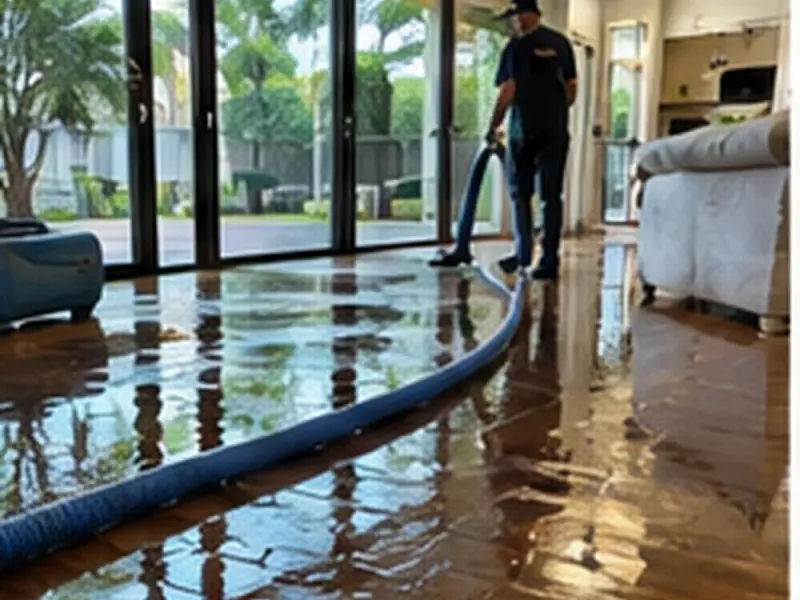
Flooded Basement Cleanup
Water removal and structural drying for finished and unfinished lower levels.
Discuss this service ↓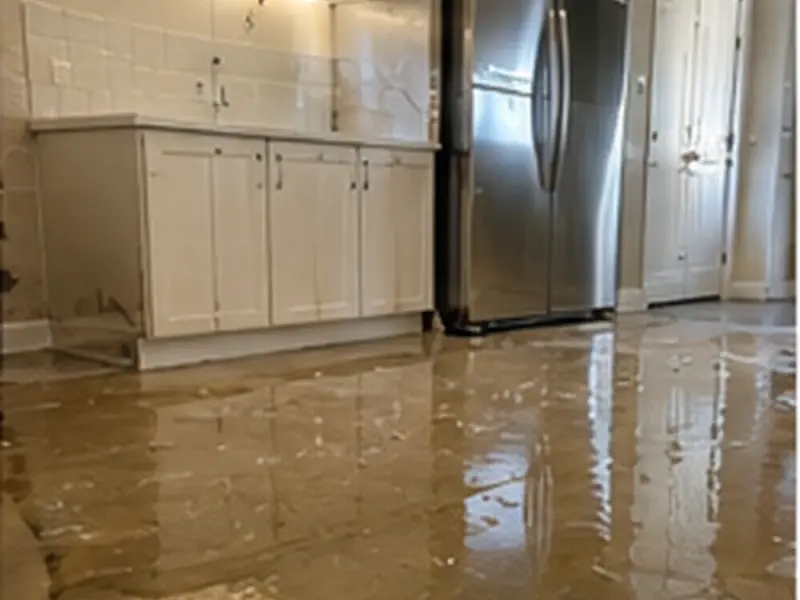
Sump Pump Failure & Flood Cleanup
Deal with the water inside while the pump problem is put right.
Discuss this service ↓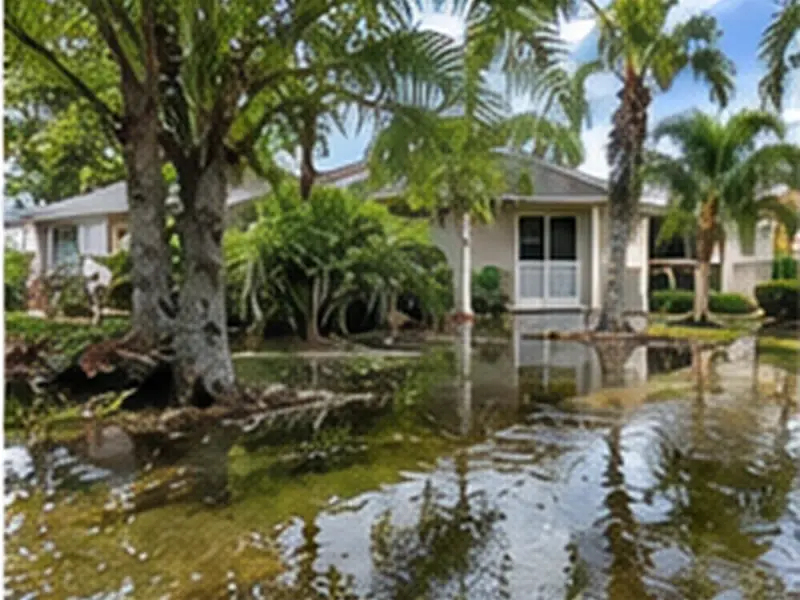
Storm & Flash Flood Water Removal
Cleanup that accounts for outside water, sediment and continuing rainfall.
Discuss this service ↓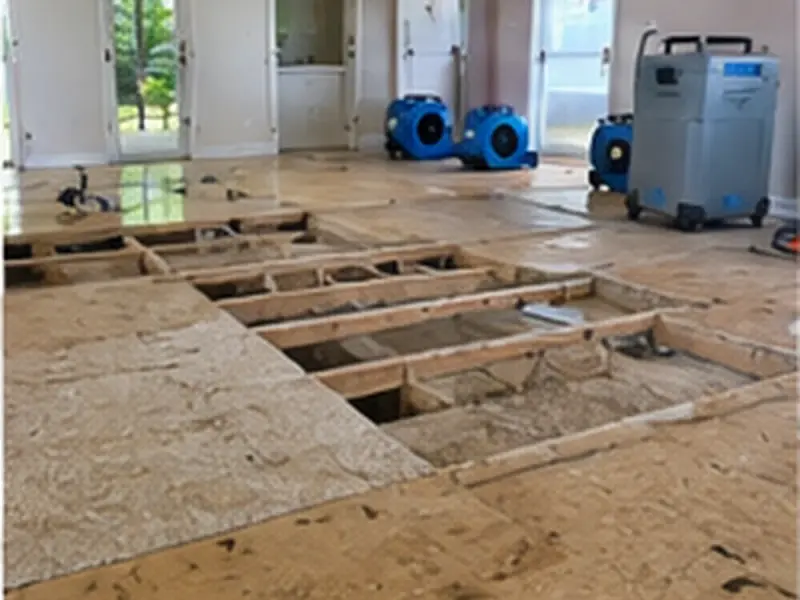
Crawlspace Water Removal & Drying
Check the floor system as well as the water beneath it.
Discuss this service ↓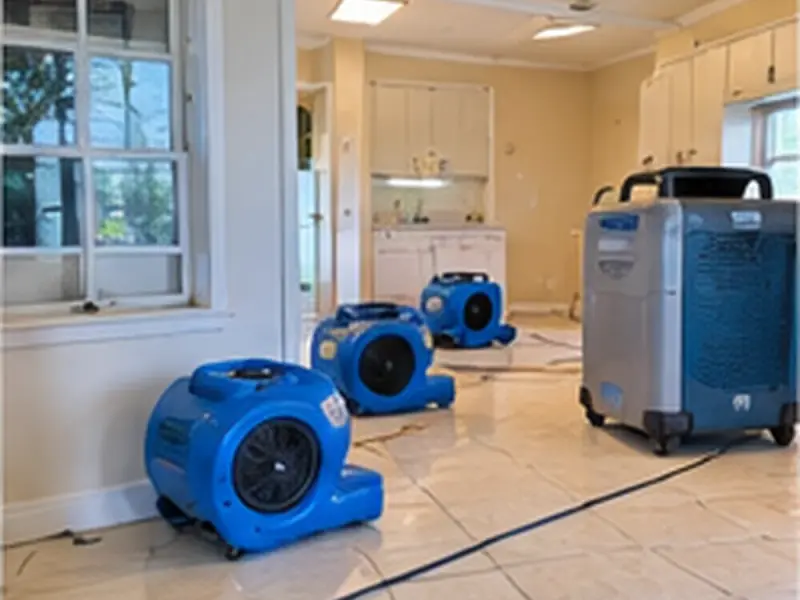
Structural Drying & Dehumidification
A measured drying plan for framing, walls, floors and enclosed spaces.
Discuss this service ↓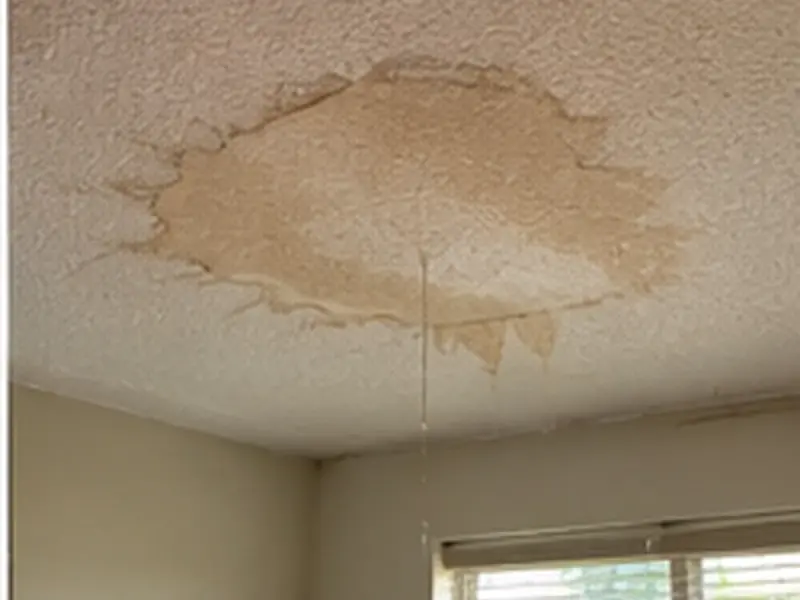
Ceiling & Multi-Level Leak Damage
Trace the route from an upstairs leak to the rooms below.
Discuss this service ↓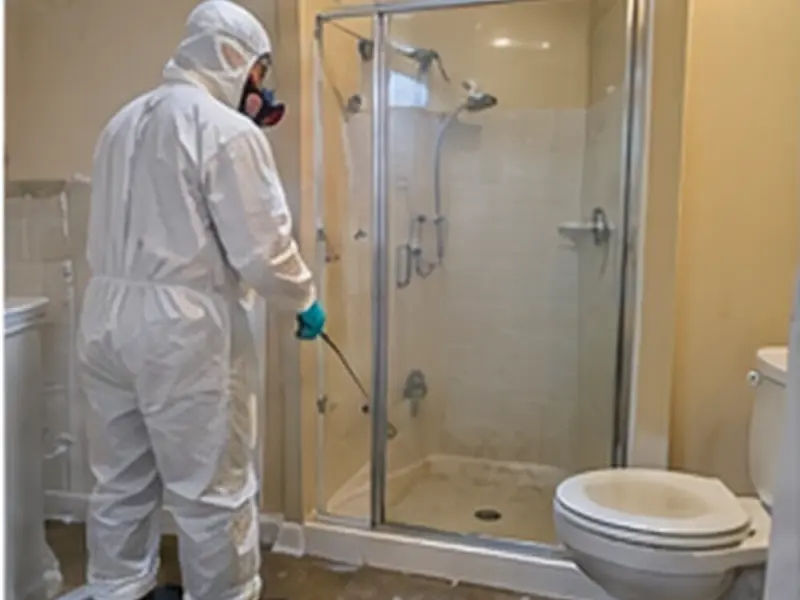
Sewage Backup Cleanup
Control access and contamination before the cleaning begins.
Discuss this service ↓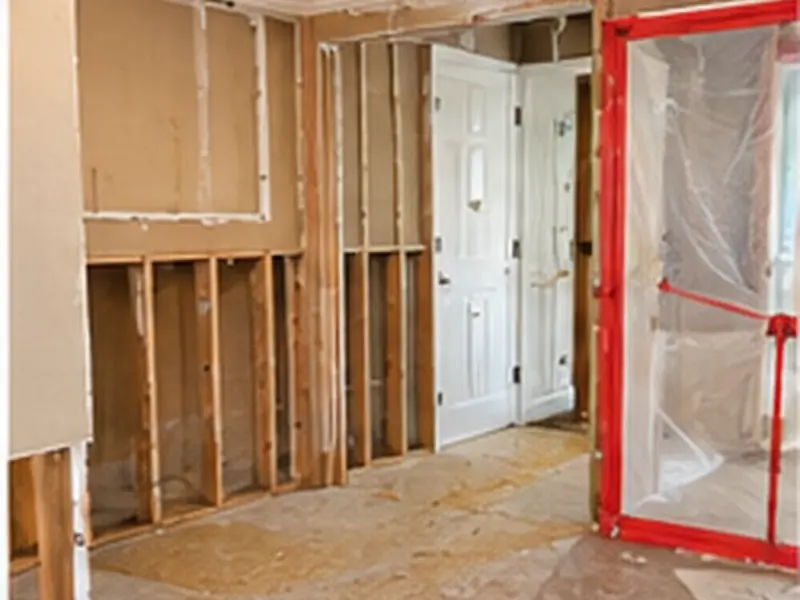
Water Damage Repair & Rebuild
Rebuild around a corrected source and documented dry materials.
Discuss this service ↓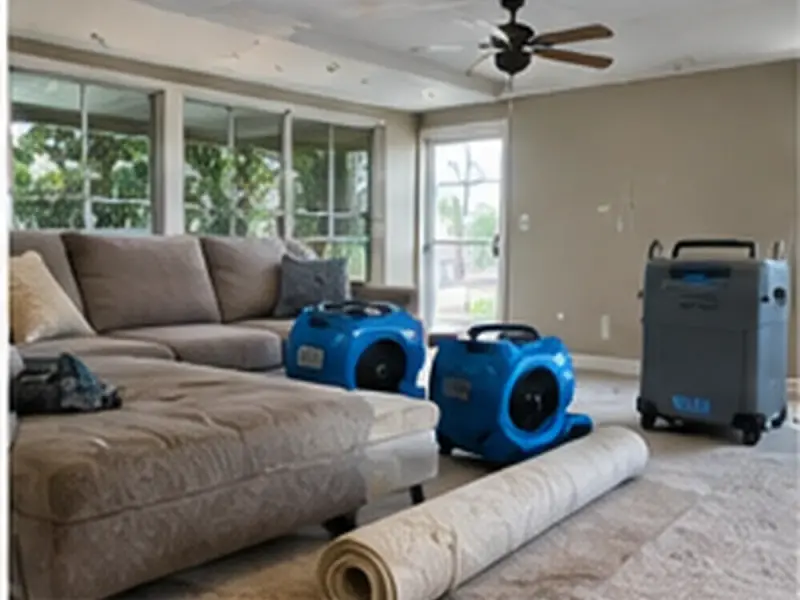
Contents Pack-Out & Cleaning
Decide what can stay, what needs cleaning and what must leave the work area.
Discuss this service ↓Water damage concerns in Flowery Branch
- Crawlspace water and damp insulation
- Joists and subfloor moisture
- Basement leaks after rain
Signs of Moisture Under a Flowery Branch Home
Tell the assessor which rooms feel affected and when you notice the change. A recurring odor after rain, a damp closet or a floor that has changed shape can help identify where to inspect. None of those observations should be turned into a definite diagnosis without checking the building.
Avoid entering a tight, wet crawlspace to collect information. Access restrictions, wiring and poor footing can make that unsafe. Photos from an accessible opening and a clear room layout can still help. If a floor feels unstable, keep people away and arrange an appropriate assessment of the structure.
Compare the ground, the air and the wood
Standing water is one kind of evidence. Damp insulation, condensation or elevated material readings can point to other moisture conditions. An inspection considers how these findings relate, rather than assigning the entire problem to humidity or drainage based on a single reading.
The ground covering should be examined for gaps, displacement and how it meets the surrounding construction. A new vapor barrier can be part of a suitable design, but putting one over an unresolved leak is not a complete source correction. The building's drainage and plumbing still need to be understood.
How the water can reach the room
- 1GROUND & PLUMBING
- 2CRAWLSPACE AIR
- 3JOISTS & INSULATION
- 4SUBFLOOR ABOVE
Checking the Floor System in Flowery Branch
A crawlspace moisture problem can involve subfloor materials and the lower portions of wall assemblies. The finished room above may look normal while the underside needs attention. Checks should connect the location of upstairs symptoms with the relevant joists, insulation and plumbing routes below.
Where wet insulation prevents inspection or holds moisture against the structure, the scope should explain whether removal is needed. If deterioration or movement raises a structural question, drying alone does not answer it. Identify any separate specialist work before repair closes access to the affected area.
Design drying for access and continuing conditions
A low space with several compartments cannot be treated as though it were an open living room. Equipment positioning, power and worker access all matter. The plan should say how the affected sections will be reached and how humidity will be managed during drying.
Readings taken at consistent material locations help establish whether the structure is responding. If the conditions remain damp, investigate the reason before extending the same setup indefinitely. Ongoing entry, a hidden plumbing release or a design issue may need correction outside the drying contract.
Long-Term Moisture Corrections for Flowery Branch Homes
Ventilation changes, encapsulation, drainage and dehumidification are not interchangeable answers. A contractor proposing one should explain what problem it addresses in this home and what assumptions it relies on. Ask whether the proposal includes existing contamination cleanup, source repairs and access for future inspection.
The immediate job may be limited to removing water and drying affected materials. That is acceptable if the boundary is clear and the permanent work has an assigned next step. A homeowner should not have to infer that a completed mitigation invoice also means every seasonal moisture issue has been resolved.
Document observations without inventing a history
Repeated dampness can make it difficult to distinguish a new event from an older condition. Keep records of discovery, known plumbing work and observed changes after weather events. The assessor should report measured findings and visible condition without assigning an unsupported age to damage.
For an insurance discussion, ask which source information and repair reports are required. Coverage is a policy question, not a conclusion drawn from a lake-area address. Keep the cleanup record, proposed prevention work and any structural findings together so that each next decision has a clear basis.
Separating Plumbing Leaks from Humidity in Flowery Branch
A homeowner may describe a room as always feeling damp in warm weather. That history can be relevant without excluding a separate leak. The assessment should still consider accessible plumbing routes and the pattern of affected materials. A localized wet area beneath a fixture deserves a different investigation from a broad air-condition concern.
This distinction matters when choosing permanent work. A humidity-control proposal should explain what findings support it and whether an active source has been ruled out or assigned for repair. Ask for unresolved questions to be listed. A reasonable plan can acknowledge uncertainty while arranging the next check; it should not turn a location near the lake into proof that one system is the answer.
Make future inspection possible
After cleanup or floor repair, consider how the relevant area will remain accessible for later checks. Keep the crawlspace opening clear and retain a record identifying the sections involved. Ask the responsible contractor how routine inspection should be approached safely and which conditions would warrant another professional visit.
Where several trades are involved, keep their findings in one file. Plumbing repair, material removal and a moisture-control design may happen on different dates. The file should say what each activity addressed and what it did not. If dampness is noticed again, that history lets the next assessor compare conditions without relying on a vague recollection that the crawlspace was previously treated.
Keeping Moisture Records for Your Flowery Branch Property
Ask how future observations should be compared with the completed work. Keep the room locations, source findings and recommended follow-up together. If another concern appears, report the change rather than assuming it is the same cause. The value of the record is that a professional can review the actual sequence and decide what needs checking now.
Water Damage Cleanup Cost in Flowery Branch, GA
For initial planning, allow about $3–$7.50 per affected square foot for water cleanup and drying. The examples below show how the affected area changes that allowance.
| Affected area | Estimated range | Example footprint |
|---|---|---|
| 300 sq. ft. | $900–$2,250 | One room or a limited lower-level area |
| 600 sq. ft. | $1,800–$4,500 | Several connected rooms |
| 1,000 sq. ft. | $3,000–$7,500 | A larger basement or multi-room loss |
Crawlspace clearance, wet insulation and the condition of the floor system affect the scope. A continuing plumbing or drainage issue must be corrected alongside drying. Encapsulation and structural repairs are separate items.
Planning estimates only, not a quote or a measured local average. Minimum charges, contamination, difficult access, demolition and rebuilding can change the total. Call for a property-specific estimate.
Ask about your Flowery Branch cleanup costBefore a cleanup visit in Flowery Branch
- 1Describe the upstairs symptoms and when they appear.
- 2Do not enter a wet or restricted crawlspace.
- 3Have the source and floor system assessed together.
- 4Assign any permanent moisture-control work separately.
Flowery Branch Water Cleanup Questions
Can humidity cause a problem without standing water?+
Persistent damp conditions can affect materials. An inspection should distinguish that pattern from a leak or outside water entry.
Does being near the lake establish the cause?+
No. The setting does not replace property-specific findings about the source, construction and moisture conditions.
Is encapsulation part of water removal?+
Not automatically. It is a separate design and scope decision that should follow investigation of the actual conditions.
Need water damage cleanup in Flowery Branch?
Call with the property location, the rooms affected and whether water is still entering. We can discuss the cleanup and the next step.
Call (678) 329-9101