
A crawlspace problem may announce itself upstairs: a musty closet, a soft floor or a room that never seems to lose its dampness. Standing water underneath the home is only one possibility. Humid air, a slow pipe leak or moisture retained in insulation can also affect the floor system.
Crawlspace water removal and drying need to consider the space as an assembly. The ground, vapor barrier, joists, insulation and subfloor each tell part of the story. Pumping a puddle without checking the wood above it can leave the most consequential part of the problem unexplained.
Related Water Damage Services in Buford
A single loss can need more than one type of work. Choose a card to jump to the phone section and discuss these services for your property.
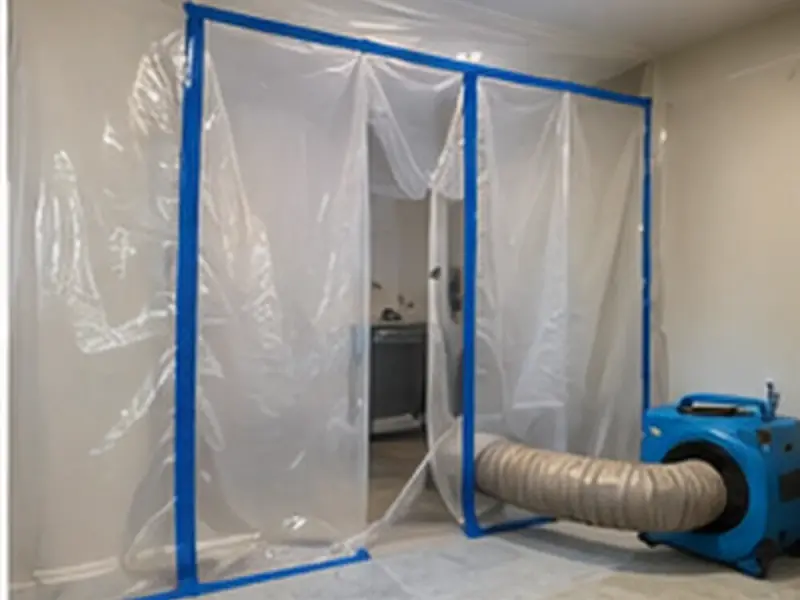
Mold Removal
Containment, physical removal and a plan for the moisture behind the growth.
Discuss this service ↓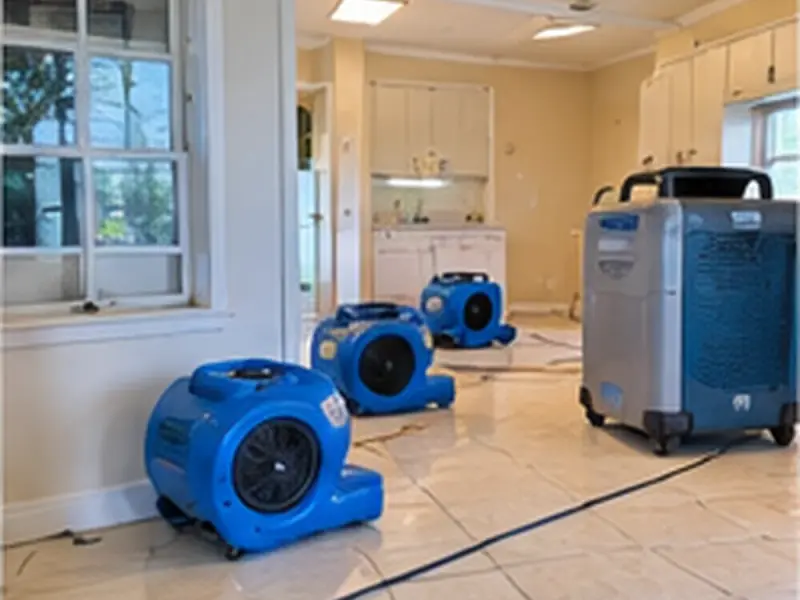
Structural Drying & Dehumidification
A measured drying plan for framing, walls, floors and enclosed spaces.
Discuss this service ↓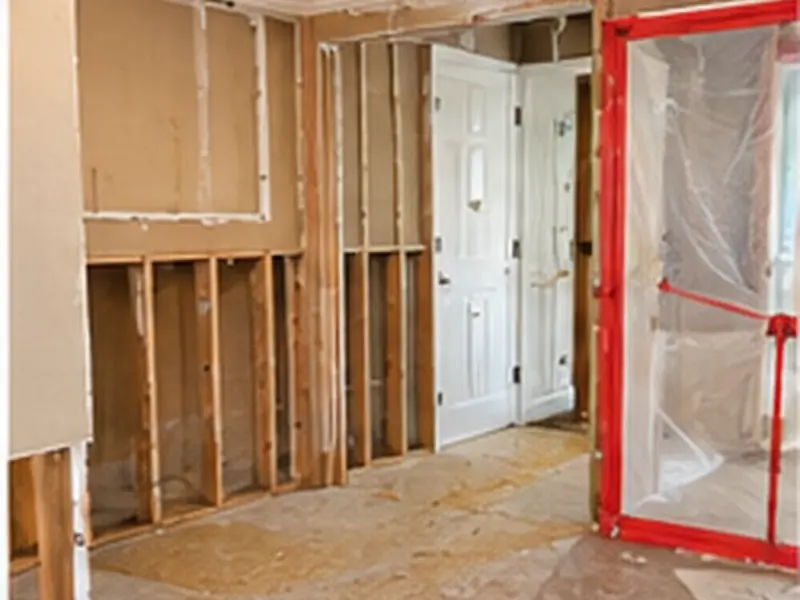
Water Damage Repair & Rebuild
Rebuild around a corrected source and documented dry materials.
Discuss this service ↓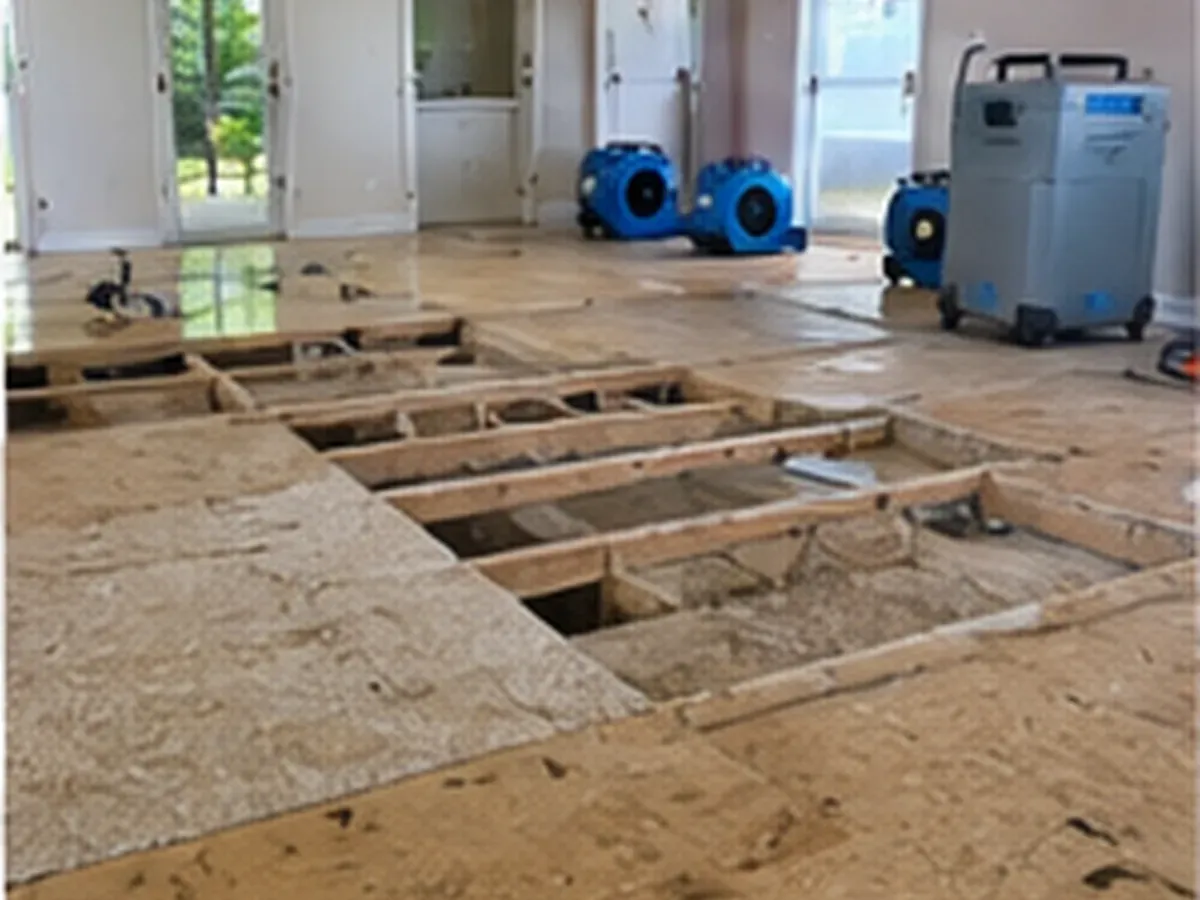
Safe Crawlspace Inspection in Buford
Low clearance, wiring, standing water and damaged materials can make a crawlspace unsuitable for homeowner entry. A visual concern from the access opening is enough reason to arrange an assessment. Do not crawl through water to find a leak or attempt to support a soft floor from underneath.
Tell the assessor what you noticed inside the house and whether the condition changes after rain or during humid weather. Mention plumbing repairs, recurring odors and any floor movement. Those observations help connect the upstairs symptom to the appropriate area below without treating the entire underside of the building as one identical condition.
Separate liquid water from humidity
A drainage entry point, a leaking supply and condensation require different corrections. Water on the ground may be obvious, while damp joists can be easy to overlook. Inspection should consider the relationship between the ground condition, air conditions and material readings. One measurement cannot establish how the whole space behaves.
If there is a torn or displaced vapor barrier, record its condition rather than assuming a new sheet alone will resolve the problem. Source control, drainage and building conditions need to be understood before selecting a lasting correction. Encapsulation or ventilation changes should be evaluated for the particular home.
Crawlspace Water Removal & Drying: the key decisions
- 1Assess access and the upstairs symptoms.
- 2Distinguish standing water from persistent humidity.
- 3Check joists, insulation and subfloor materials.
- 4Document drying and assign permanent source repairs.
Checking Joists and Subfloors in Buford Homes
Wet insulation may hold moisture against wood or obstruct inspection. The subfloor can be affected from below even where the finished floor above appears intact. Joist ends, plumbing penetrations and areas beneath bathrooms deserve attention because access and moisture conditions can vary over short distances.
The scope should identify what must be removed to reach affected materials and whether any structural concern needs a separate qualified evaluation. Drying a damaged member does not repair a loss of strength. If a floor is sagging or feels unsafe, restrict access and seek an appropriate building assessment.
Create a drying environment the space can support
Restricted access and compartmented areas affect equipment selection. The plan may need to manage air movement and humidity across several sections rather than placing one fan at the hatch. Power, equipment clearances and a safe route for workers should be agreed before the setup is installed.
Follow-up readings help show whether the floor system is responding and whether continuing water entry is undermining the work. Ask what locations are being checked and how they relate to the upstairs concern. The decision to finish should rest on the materials and conditions, not simply the absence of standing water.
Moisture Corrections After a Buford Crawlspace Cleanup
A drying handover should identify remaining source corrections. These might involve plumbing, surface drainage or a building-specific moisture-control design. Keep the responsibilities separate so that emergency cleanup does not quietly become a substitute for the permanent correction. Ask which recommendations require another trade and which are already included.
If belongings or ductwork were affected, those issues should be listed too. Insurance documentation should distinguish a newly discovered event from observations of longer-term conditions without speculating about dates that cannot be established. Photos, measured findings and repair reports are more useful than unsupported claims about how long the space has been wet.
Crawlspace Water Removal & Drying Questions in Buford, GA
Will pumping out the crawlspace dry the floor above?+
It removes liquid water but does not establish the condition of the floor system. Wood and insulation may still need assessment and drying.
Should I install a new vapor barrier immediately?+
First understand the source and required cleanup. A new barrier is not a substitute for correcting an active leak or drainage problem.
Can drying repair a soft or sagging floor?+
Drying does not restore missing structural capacity. A qualified assessment is needed where the floor may be unsafe.
For nearby coverage, see the service area guide. The photo gallery shows the building conditions, equipment and work stages discussed on this page.
Crawlspace Water Removal & Drying in Buford: Discuss Your Cleanup
Call with the property location, the rooms affected and whether water is still entering. We can discuss the work and the next step.
Call (678) 329-9101