A wet room creates pressure to approve the first plan that sounds reassuring. You still need to understand what the contractor intends to do. A few specific questions can turn an urgent conversation into a scope that is easier to review and document.
What matters most
- Verify the company and read the actual work authorization.
- Ask how the affected area and material decisions were established.
- A clear update and change process matters during a developing loss.
Ask what the company has actually assessed
A written proposal identifies the source as known, suspected or unresolved. It names the affected rooms and explains how the material boundary was established. Be cautious about a confident whole-house diagnosis made without examining the building.
Ask whether adjacent rooms and lower levels need checks. A visible stain or puddle can be smaller than the affected assembly. The company should explain what further access is needed and why.
Make removal and equipment decisions specific
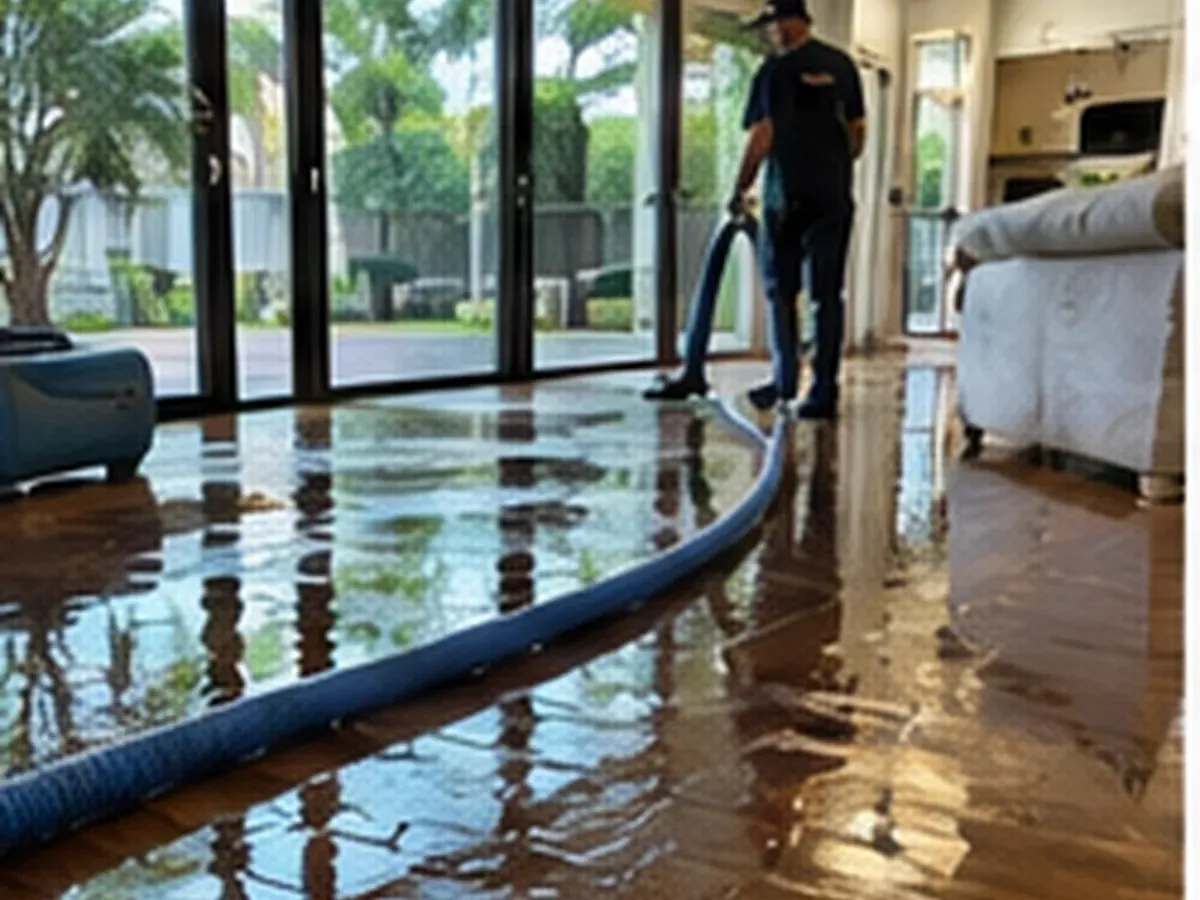
If demolition is proposed, ask which materials are involved and what condition supports removal. If drying in place is proposed, ask how moisture beneath or behind the finish will be reached. Neither saving everything nor removing everything is a useful universal promise.
Equipment should connect to a drying plan. Ask how progress is monitored, how charges accrue and what findings would support a change or completion. A fixed machine count without an explanation leaves the most important question open.
Claims to turn into concrete questions
| Condition or decision | What it means | What to check next |
|---|---|---|
| We can save everything | Retention depends on contamination, damage and access. | Which materials were checked, and how will hidden moisture be reached? |
| The insurance will cover it | Coverage is a policy and claim decision. | What work is authorized, and who is responsible for charges not approved? |
| The room will be dry by a fixed day | Different assemblies can respond at different rates. | What readings and completion conditions will guide the handover? |
Check the business and written terms
Verify identity, contact information and any credentials the company actually claims. Ask for references appropriate to the kind of work. Read the authorization, including payment terms, exclusions and the process for approving added work.
Keep emergency mitigation separate from optional reconstruction where the contracts differ. Contents storage and specialist trade work may have their own terms. A homeowner should know which commitments are being made before signing.
Compare the proposed method with the storm water removal guide when the source is outside. For occupied buildings, commercial water damage restoration also needs clear access boundaries and communication with the people using the property.
Avoid promises the contractor cannot decide
Insurance coverage belongs to the insurer under the policy. A restoration company can document conditions and work but should not use a coverage promise as a substitute for an estimate. Likewise, an uninspected building cannot support a guaranteed repair date.
A good next step is a written scope, a clear contact and a defined update schedule. Those are concrete things to compare when several companies make similar claims about speed or experience.
Review the plan for the room, not just the sales pitch
A storm response may involve temporary roof protection, outside water entry and indoor cleanup at the same property. Identify who is handling each part. Extraction does not secure a roof, and a tarp does not dry the ceiling beneath it. A contractor should explain its own work boundary and any separate trade needed to control the source.
Ask how equipment, debris and occupants will move through the building. Leads and hoses need safe routes, and removal work needs a controlled boundary. For a business or multi-unit property, name the person coordinating access. Those arrangements affect whether the work can proceed without creating confusion in otherwise usable rooms.
A careful assessment can leave some concealed conditions unresolved at the first visit. What matters is an explanation of the next check and the approval process if it changes the scope. Keep that explanation with the estimate. At handover, compare completed work with the original boundary and written changes, then list any source recommendation or repair still outstanding.
Mistakes to avoid
- Signing because of a promise made before the building was inspected.
- Approving demolition without a room list and material explanation.
- Letting verbal changes replace an updated scope and price.
From the first sign to the repair
- 1Verify identity and examine the proposed work.
- 2Ask what is known and what needs access.
- 3Agree on charges, exclusions and change approval.
- 4Keep the handover tied to completed findings.
Questions homeowners ask
Is a long equipment list proof of a better plan?+
Not by itself. Ask how the equipment relates to the wet assemblies, how the environment will be managed and what monitoring is included. The meaningful comparison is the method and the evidence expected from it. A list of machines can look detailed while leaving access to a concealed floor or wall cavity unexplained, so connect each major measure to the actual findings.
What should happen when hidden damage changes the estimate?+
The contractor should explain the new finding, its location and the proposed response, then follow the agreed authorization process. Preserve supporting photographs and a revised scope where appropriate. If immediate work was necessary, the record should still explain it afterward. That history helps the homeowner understand the change and gives a later reviewer a clear account of why the original boundary was revised.
Cleanup services for this type of damage
Storm & Flash Flood Water Removal
Cleanup that accounts for outside water, sediment and continuing rainfall.
Discuss this service ↓
Commercial Water Damage Restoration
Planning cleanup around tenants, employees and the next business day.
Discuss this service ↓Need help with water damage in Buford?
Call with the source, the rooms affected and whether water is still entering. We can discuss the cleanup, drying and repair work needed.
Call (678) 329-9101