
The pipe most exposed to a cold night may be outside the room you heat. Garage walls, crawlspaces and attic runs over unheated spaces can put supply lines in conditions quite different from the living area. Preparation starts with knowing where those lines are.
What matters most
- Pipes in exterior walls, crawlspaces and unheated garages deserve attention before a cold spell.
- Know where the shutoff is and how another responsible person can reach it.
- A repaired pipe can still leave wet ceilings, insulation and flooring below.
Review exposed locations before the forecast turns
Ask a plumber about vulnerable pipe runs in exterior walls, unheated garages and accessible service spaces. Insulation gaps and air leakage can matter alongside the pipe itself. A building-specific review is more useful than assuming the same precaution fits every house.
Know where the main shutoff is and whether it can be reached safely. Make that information available to someone who may need it while you are away. A closed or inaccessible utility area is a poor place to discover the arrangement during an active leak.
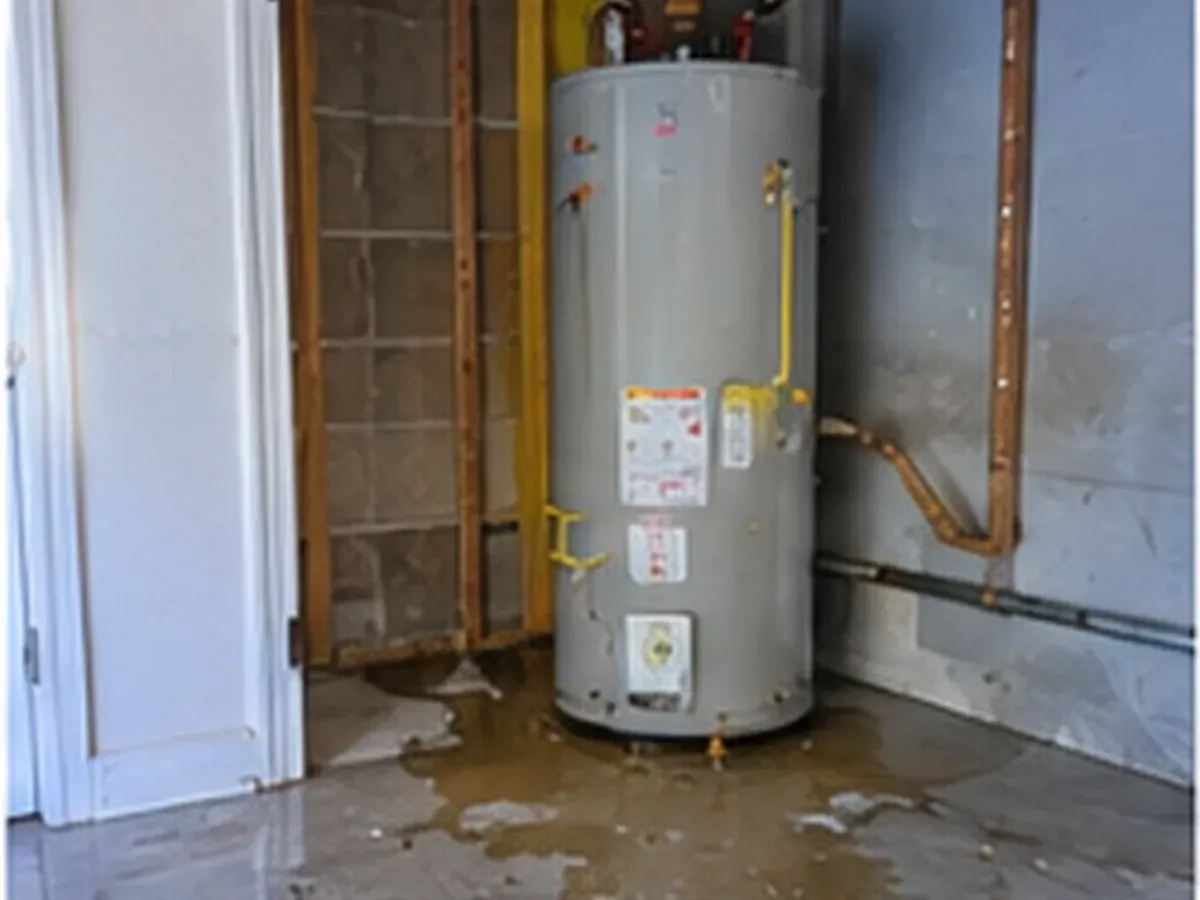
Have a plan for a vacant property
If the house will be empty, discuss a suitable cold-weather plan with the responsible trades. Heating arrangements, water supply and exposed plumbing should be considered together. Avoid improvised heat sources or changes that create a different hazard.
Someone checking the property should know what to report: unusual water sounds, new staining, a loss of normal supply or a heating problem. They should not enter a wet attic or crawlspace to investigate a suspected break.
Cold-weather locations to discuss with a plumber
| Condition or decision | What it means | What to check next |
|---|---|---|
| Exterior-wall plumbing | Cold air and insulation gaps can affect the pipe enclosure. | Have the exposure and surrounding assembly reviewed. |
| Garage or attic supply runs | The pipe may sit outside the heated living space. | Identify vulnerable sections and a suitable property-specific correction. |
| A vacant house | A leak or heating failure may go unnoticed. | Agree on checks, contacts and a safe water-supply plan before leaving. |
A frozen line needs safe handling
Do not use a torch or another open flame to thaw a pipe. If a line is inaccessible, damaged or uncertain, involve a plumber. The American Red Cross publishes guidance on preventing and responding to frozen pipes; use that as a starting point alongside property-specific advice.
A split can become apparent when water begins moving again. If a break occurs, stay away from wet electrical areas and isolate the supply only where safe. Source repair and the damage assessment should then be coordinated.
After a line splits, frozen and burst pipe cleanup follows the water left behind. If stains appear on the next level, ceiling and multi-level leak cleanup explains the checks needed between the source and the room below.
After the repair, follow the water
A pipe repair stops the release but does not remove water already in wall cavities or floor layers. Inspect the rooms below and beside the source. A dry-looking surface may conceal affected insulation or framing.
Keep the plumber's findings with the cleanup records. Before the wall is closed, review both the drying results and the condition that exposed the line to cold. Otherwise the repair may leave the same vulnerable route in place for the next freeze.
What to do when a frozen line starts flowing again
A split can become obvious during the thaw, when water reaches the damaged section. If the supply can be isolated from a dry, accessible position, shut it off and arrange plumbing help. Keep clear of wet electrical equipment and the room beneath a sagging ceiling. Do not climb into a wet attic or enter a flooded crawlspace to locate the break.
Once the source is controlled, trace the release through the building. An attic run may wet ceiling insulation before water reaches a bedroom wall. A garage line may affect a shared wall or the level below. Label the rooms in photographs and keep the plumber's findings with the material assessment so that the whole route can be followed.
Before reconstruction, review two completion points: the pipe and its cold exposure, and the retained wet materials. The plumber addresses the source; the drying record addresses the structure. Neither record replaces the other. This is also the right time to arrange any access-dependent correction, before new drywall makes the vulnerable run difficult to reach again.
Mistakes to avoid
- Using a torch or other open flame to thaw a pipe.
- Repairing the split without reviewing why the line was exposed to cold.
- Closing the ceiling before the affected cavity has been assessed.
From the first sign to the repair
- 1Locate the shutoff and exposed supply routes.
- 2Review vulnerable spaces with the appropriate trade.
- 3Agree on a plan for any vacancy.
- 4After a break, inspect beyond the repaired pipe.
Questions homeowners ask
Can an upstairs break affect a finished basement?+
Water can travel through the building before it appears at the lowest visible point. The inspection should consider the source room, adjoining cavities and levels below. Explain the observed route and give access where it is safe. A plumber's completed repair is important, but it does not identify every wall or floor layer that may need separate moisture assessment.
What should I ask before the wall is closed?+
Confirm the pipe repair and any agreed change to cold exposure with the responsible trade. Then review the condition of the retained framing, insulation and finishes with the restoration contractor. If another inspection still needs access, schedule it before reconstruction. The handover should distinguish work completed from recommendations that have not yet been carried out, so neither is mistaken for the other.
Further reading: American Red Cross: frozen pipes ↗
Budgeting for Burst Pipe Cleanup in Buford
The plumber stops the release, while extraction and drying address water already in the building. Ask for those scopes separately so the estimate does not confuse pipe repair with replacing wet finishes. The Buford burst pipe cleanup cost breakdown shows planning ranges and the conditions that can change the price.
Cleanup services for this type of damage
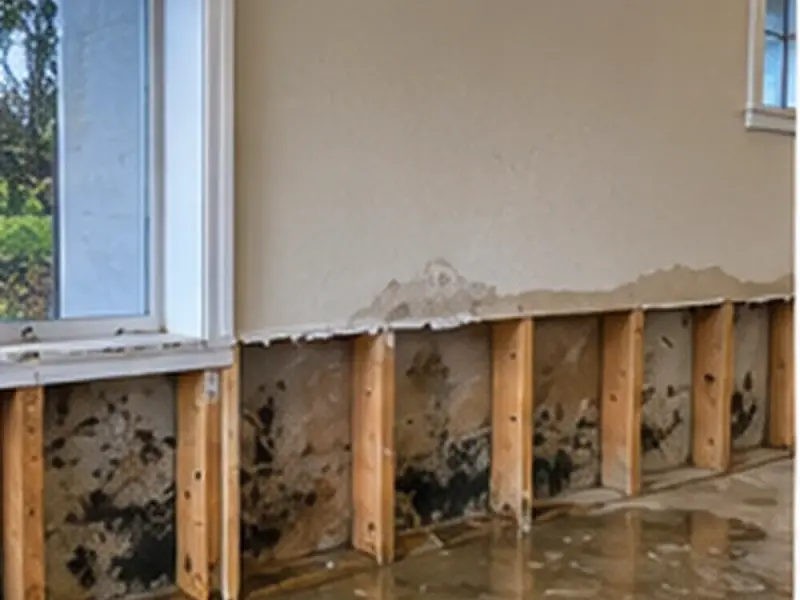
Frozen & Burst Pipe Cleanup
Find every wet layer after a broken supply line is repaired.
Discuss this service ↓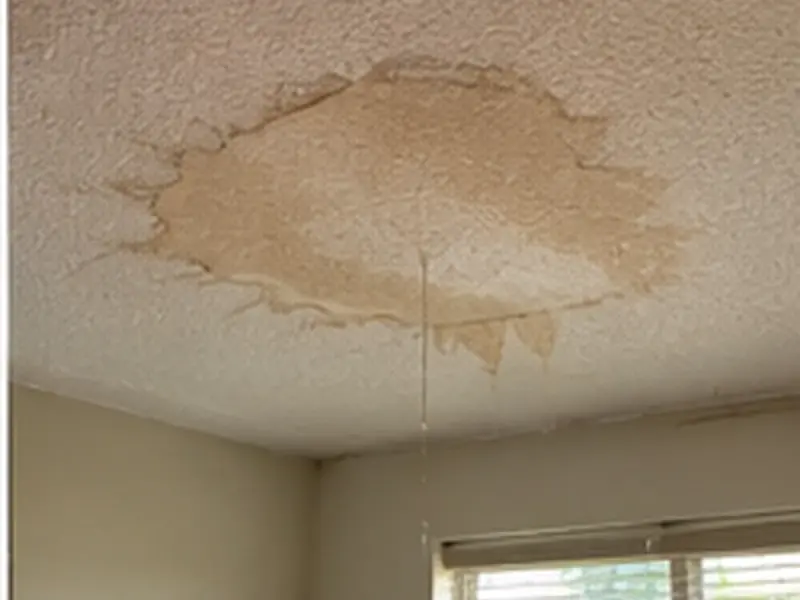
Ceiling & Multi-Level Leak Damage
Trace the route from an upstairs leak to the rooms below.
Discuss this service ↓Need help with water damage in Buford?
Call with the source, the rooms affected and whether water is still entering. We can discuss the cleanup, drying and repair work needed.
Call (678) 329-9101