
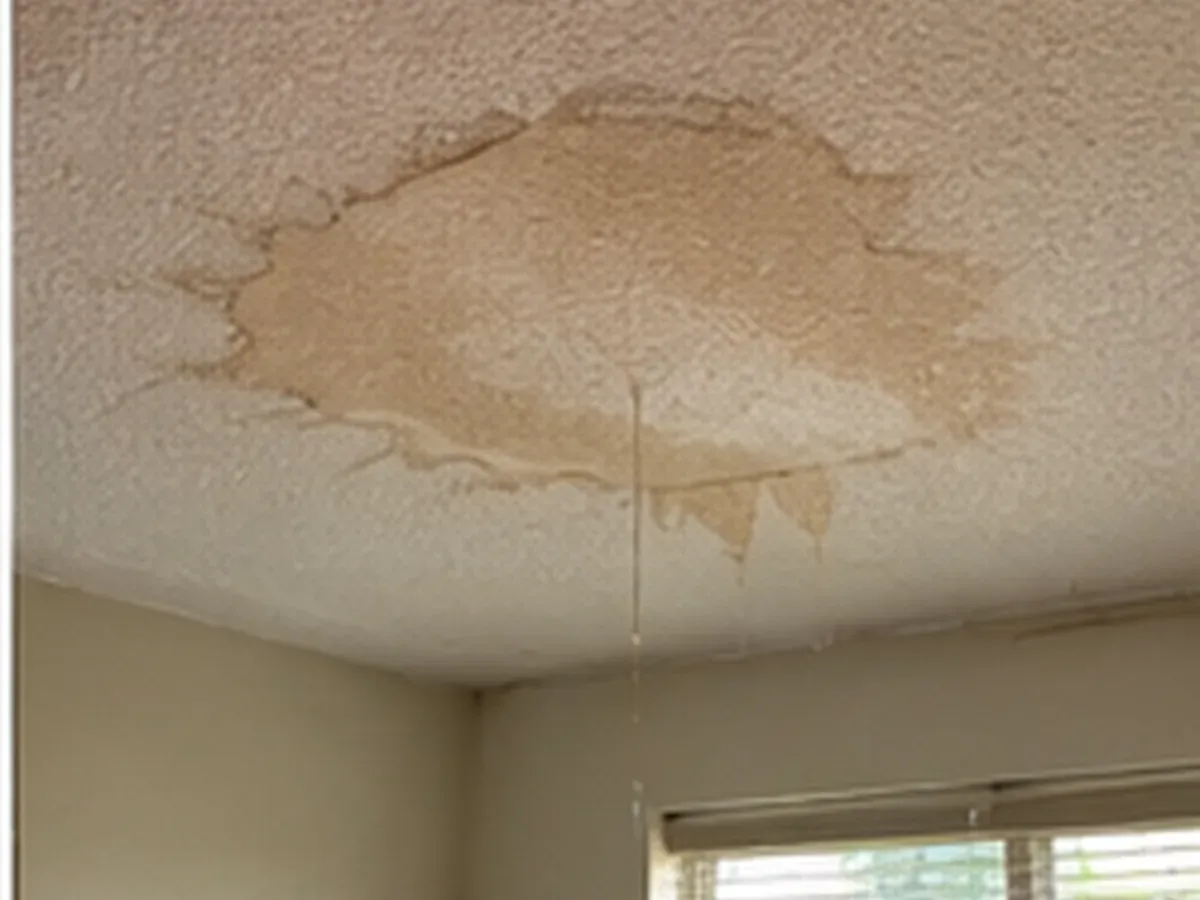
The toilet is no longer overflowing, but a ceiling stain has appeared in another room. That delay does not mean the ceiling is a separate event. Water may have moved through the upstairs floor assembly before finding a point where it could become visible.
What matters most
- Explain the fixture event and what the water contacted; appearance alone cannot establish contamination.
- The stain below may sit away from the upstairs source.
- The upper floor and lower ceiling cavity need separate checks.
Identify what overflowed and what it contacted
The water source and contact history influence the cleanup method. Do not classify the loss from color or smell alone. Explain what happened at the fixture and whether contaminated water was involved so that the assessment can address the appropriate handling.
If the release is continuing, arrange plumbing attention. Keep people away from wet electrical fixtures and from beneath sagging ceiling material. Do not puncture a bulge as a shortcut to draining an unknown cavity.
Gravity does not make the route obvious
Water can move along framing, joints and service openings before dropping into the room below. The stain may not be directly beneath the fixture. Adjacent walls and closets can be part of the same route even when they have no visible dripping.
A room-by-room record helps connect the source upstairs to the affected assemblies below. Ask which locations were checked and whether any enclosed areas remain uncertain. The edge of the stain should not be the automatic edge of the inspection.
Follow the leak through the building
| Condition or decision | What it means | What to check next |
|---|---|---|
| Wet bathroom floor | Water can reach joints and openings around the assembly. | Check flooring layers and the route around the fixture. |
| Stained ceiling in the room below | Water may have followed framing before becoming visible. | Inspect the cavity, adjacent walls and affected fixtures. |
| Swollen trim in a nearby closet | Moisture may have reached another part of the same wall or floor. | Include the adjoining room in the material assessment. |
A ceiling is more than its painted surface
Drywall, insulation, fixtures and the underside of the floor above may each need assessment. The appropriate access depends on contamination, condition and what remains wet. Proposed removal should explain both the purpose and the boundary.
Electrical components need the relevant trade's decision. Drying the surrounding room does not establish that a wet fitting is suitable to reuse. Make those responsibilities explicit before reconstruction conceals the cavity.
The ceiling and multi-level leak guide follows concealed water between rooms. If the release involved contaminated water, sewage backup cleanup explains why access control and material decisions come before ordinary drying.
Repair follows the source and drying review
Ceiling finishing should come after the source is controlled and retained materials have been addressed. Discuss texture, paint coverage and any adjacent repair areas in the scope. Matching a finish is a separate decision from establishing that a cavity is ready to close.
Keep the plumbing report, photographs and drying record together. They make the sequence easier to explain to a repair contractor or insurer without promising a particular coverage outcome.
Plan access from both sides of the floor assembly
Opening the ceiling below may reveal the underside of the floor, but it does not automatically answer every question about the finish above. Tile, underlayment, cabinetry and insulation can restrict access differently. The plan should name the layers being retained and explain how their condition will be checked, rather than treating a ceiling opening as the end of the inspection.
Contamination also changes the retention decision. Describe whether the event involved a fixture overflow, a supply connection or a drain backup, and what is known about the duration. Do not fill gaps in the history just to select an answer on a form. The cleanup professional needs the actual circumstances to choose appropriate handling and material boundaries.
At the repair stage, review the affected rooms on each level. A ceiling estimate may omit flooring upstairs, closet trim or electrical work. List those items before finishes are ordered. Keep utility decisions with the responsible trade and the drying findings with the reconstruction scope so that a newly painted ceiling does not hide an unfinished part of the loss.
Mistakes to avoid
- Puncturing a ceiling bulge while standing underneath it.
- Painting the stain while the connected cavity is still under assessment.
- Assuming the overflow was sanitary without establishing the contact history.
From the first sign to the repair
- 1Control access beneath a damaged ceiling area.
- 2Explain the fixture event and contact history.
- 3Inspect the upper floor and connecting cavities.
- 4Review cleanup and drying before ceiling repair.
Questions homeowners ask
Why is the contractor checking a closet beside the stain?+
Water may move along framing or through a service opening before appearing in the room below. An adjoining closet can share part of that route. Ask what findings prompted the check and how it relates to the proposed work boundary. The inspection should explain connected materials rather than treating a rectangular paint stain as the automatic limit of the entire loss.
Can the ceiling be painted while the upstairs floor is drying?+
The appropriate sequence depends on the retained assemblies and access requirements. Finishing one surface should not prevent checks or work still needed in the connected cavity. Review the plan with the responsible contractor and identify any unresolved source or utility issue. A faster cosmetic change is not a substitute for establishing that the parts being enclosed are ready for that stage.
Cleanup services for this type of damage
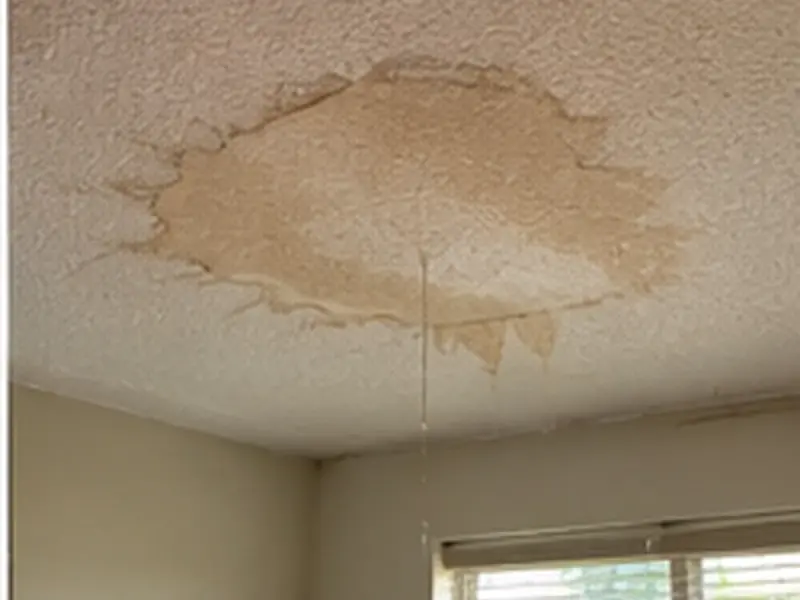
Ceiling & Multi-Level Leak Damage
Trace the route from an upstairs leak to the rooms below.
Discuss this service ↓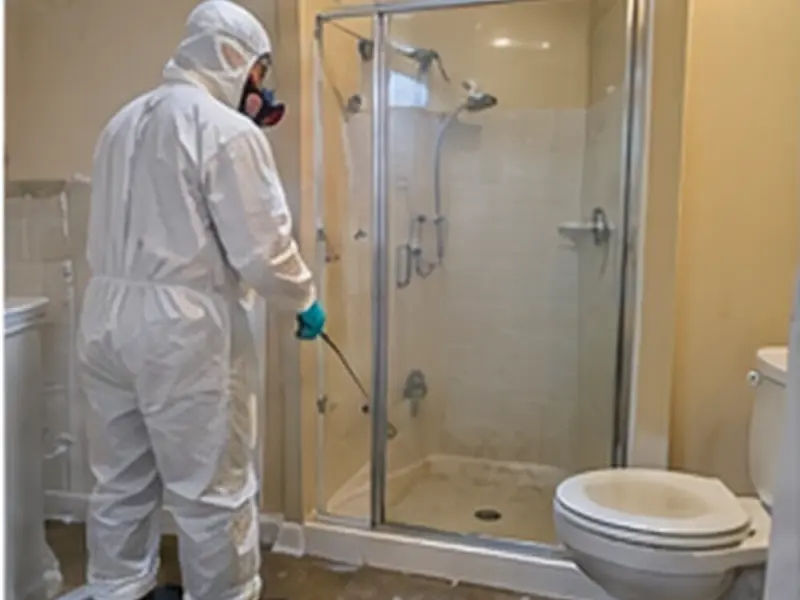
Sewage Backup Cleanup
Control access and contamination before the cleaning begins.
Discuss this service ↓Need help with water damage in Buford?
Call with the source, the rooms affected and whether water is still entering. We can discuss the cleanup, drying and repair work needed.
Call (678) 329-9101